

Holiday Safety Tips for Keeping Your Dogs and Cats Safe This Christmas
- angel8935
- Dec 5, 2025
- 3 min read
The holiday season brings joy, decorations, and festive gatherings. But it also introduces new risks for your dogs and cats. Christmas decorations, food, and even the excitement of visitors can create hazards that put your pets in danger. Taking a few simple precautions can keep your furry friends safe and let everyone enjoy the holidays without worry.
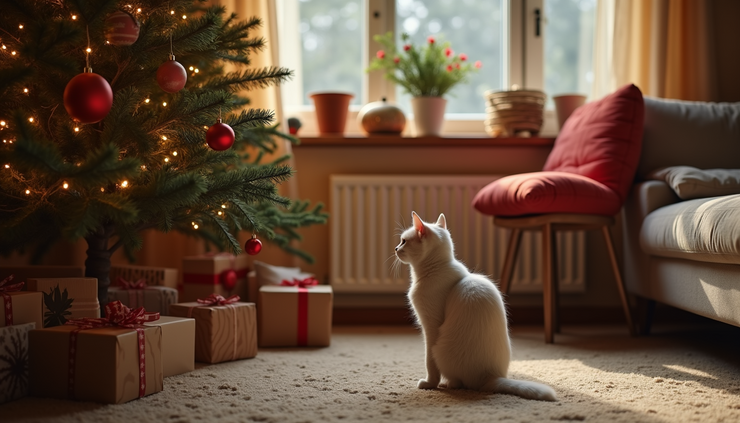
Keep Decorations Out of Reach
Many Christmas decorations look beautiful but can be harmful if chewed or swallowed by pets. Tinsel, ornaments, and lights pose specific dangers:
Tinsel and Garland: Cats are especially attracted to shiny tinsel. If ingested, it can cause serious intestinal blockages requiring emergency surgery.
Glass Ornaments: These can break easily and cause cuts or choking hazards.
Electrical Cords and Lights: Pets chewing on cords risk electric shock or burns.
Place fragile or dangerous decorations high on the tree or in rooms pets cannot access. Consider using pet-safe decorations like fabric ornaments or battery-operated lights with no exposed wires.
Watch What Your Pets Eat
Holiday meals often include foods that are toxic to dogs and cats. Common Christmas treats can cause severe illness:
Chocolate: Contains theobromine, which is toxic to pets and can cause vomiting, seizures, or even death.
Grapes and Raisins: Can lead to kidney failure in dogs.
Onions and Garlic: Found in many holiday dishes, these can damage red blood cells.
Alcohol and Yeast Dough: Both can cause poisoning or digestive issues.
Keep all food out of reach and never feed your pets scraps from the table. If guests want to give treats, provide pet-safe snacks instead.
Secure the Christmas Tree
A Christmas tree can be a tempting playground for pets but also a source of danger:
Stability: Make sure the tree is securely anchored to prevent tipping if a pet jumps or bumps into it.
Water Safety: Tree water often contains fertilizers or bacteria that can upset your pet’s stomach.
Avoid Edible Decorations: Candy canes or popcorn strings attract pets and can cause choking or digestive problems.
If your pet is very curious, consider placing a barrier around the tree or using a smaller tree in a less accessible room.
Manage Holiday Plants Carefully
Traditional holiday plants can be toxic to pets:
Poinsettias: Mildly toxic, causing irritation and vomiting.
Mistletoe: Can cause severe gastrointestinal upset and heart problems.
Holly: Leaves and berries can cause vomiting and diarrhea.
Keep these plants out of reach or opt for artificial versions to avoid any risk.
Create a Safe Space for Your Pets
The holiday season often means more noise, visitors, and activity. This can stress pets and lead to unsafe behavior:
Provide a quiet, comfortable space where your dog or cat can retreat.
Use familiar bedding and toys to help them feel secure.
Maintain regular feeding and walking schedules to reduce anxiety.
If your pet is nervous around strangers or loud noises, consider using calming aids like pheromone diffusers or consult your vet for advice.
Be Careful with Holiday Candles and Fireplaces
Open flames are a serious hazard for pets:
Never leave candles unattended or within reach of pets.
Use flameless LED candles as a safer alternative.
Keep fireplace screens secure to prevent pets from getting too close.
Burns and fires can happen quickly, so always supervise pets around flames.
Monitor Holiday Guests and Visitors
Visitors may not be aware of your pet’s needs or boundaries:
Inform guests about your pet’s behavior and any rules.
Ask guests not to feed pets human food or encourage begging.
Watch for small children who might accidentally harm or scare pets.
Clear communication helps keep everyone safe and comfortable.
Travel Safety for Pets During the Holidays
If you travel with your dog or cat, plan ahead to ensure their safety:
Use a secure carrier or seatbelt harness in the car.
Bring familiar items like blankets and toys.
Never leave pets alone in a parked vehicle.
Research pet-friendly accommodations and emergency vets at your destination.
Travel can be stressful for pets, so preparation is key.
Recognize Signs of Holiday-Related Pet Stress
Pets may show stress in subtle ways during the holidays:
Excessive barking or meowing
Hiding or avoiding people
Changes in appetite or bathroom habits
Destructive behavior
If you notice these signs, give your pet extra attention and consider consulting a veterinarian or animal behaviorist.


Comments